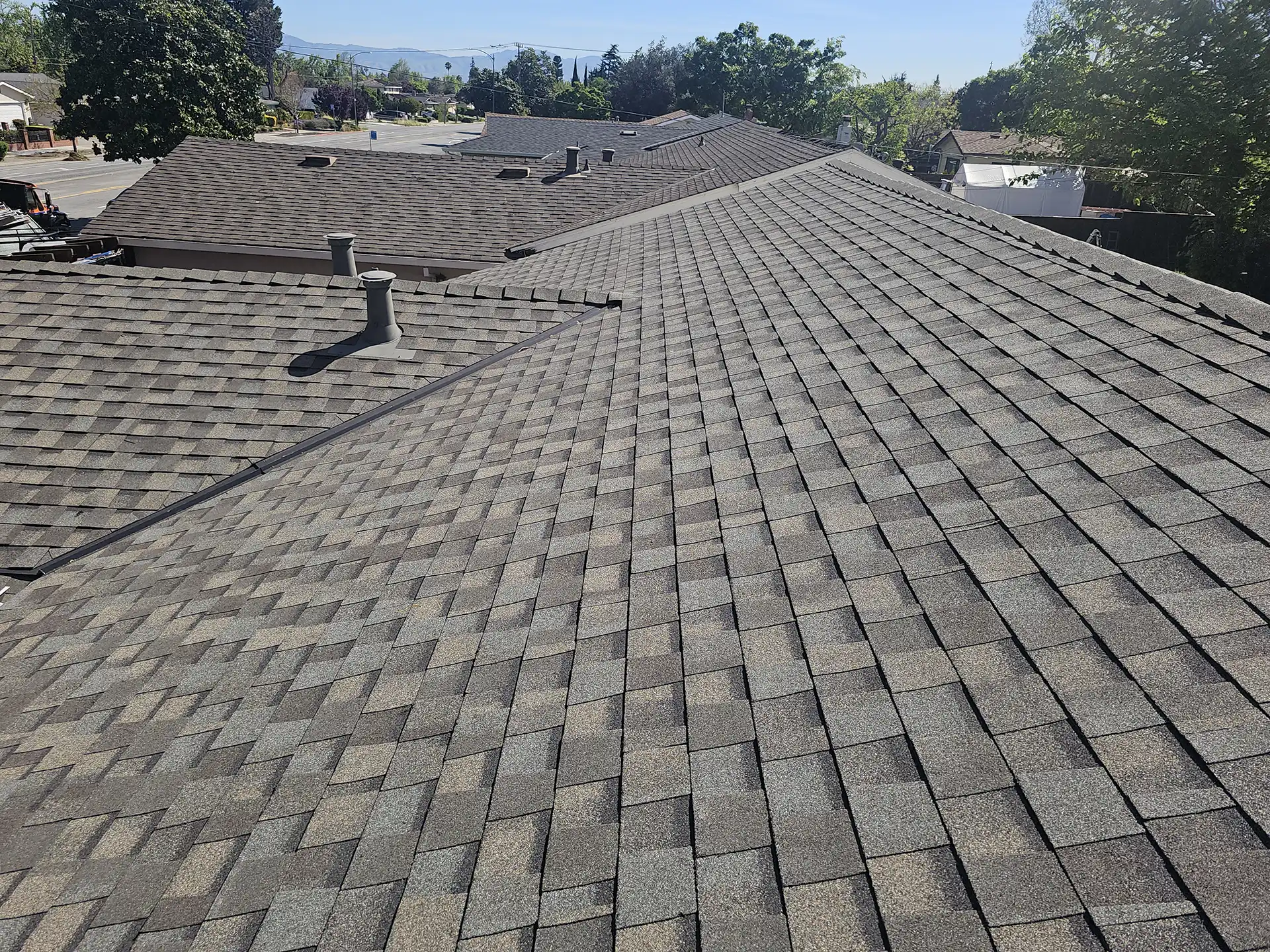
One of the most common questions homeowners ask is how long a roof should realistically last before repairs or replacement become necessary. While roofing materials are designed for long-term durability, California weather conditions can significantly affect roof lifespan over time. Constant UV exposure, heat, seasonal rain, coastal moisture, and temperature fluctuations all contribute to gradual roofing deterioration throughout the Bay Area and surrounding California communities.
The lifespan of a roof depends on several factors, including roofing material, installation quality, ventilation, maintenance history, and overall exposure to weather conditions. Some roofing systems may last for decades with proper care, while neglected roofs often experience premature aging and expensive repair problems much earlier than expected.
Lico’s Roofing Company provides residential roofing inspections, maintenance, repairs, and roof replacement services designed to help homeowners maximize roof lifespan while protecting the long-term value of their property.
TL;DR: How Long Does a Roof Last in California?
- Roof lifespan depends on materials, weather exposure, ventilation, and maintenance
- California heat and UV exposure may accelerate roofing deterioration
- Routine inspections and maintenance help roofs last longer
- Professional installation plays a major role in long-term roof performance
What Factors Affect Roof Lifespan?
No two roofing systems age exactly the same. Several important factors determine how long a residential roof may continue providing dependable protection before repairs or replacement become necessary.
Roofing material type, installation quality, attic ventilation, maintenance history, weather exposure, and surrounding debris all affect long-term roof performance. Even high-quality roofing materials may experience premature wear if poor ventilation, installation issues, or neglected maintenance allow moisture and heat to damage the roofing system over time.
Professional roof inspections help homeowners better understand the current condition of the roof while identifying developing issues before they significantly shorten roof lifespan.
How Does California Weather Affect Roofs?
California roofs are exposed to unique environmental conditions that gradually wear down roofing materials over time. Constant sunlight and UV exposure are some of the largest contributors to roofing deterioration throughout the state.
High rooftop temperatures cause roofing materials to repeatedly expand and contract during daily heating and cooling cycles. Over time, this movement may weaken shingles, flashing, sealants, and underlayment materials.
In some Bay Area locations, coastal moisture and seasonal rain may also contribute to mold growth, moisture intrusion, and deterioration around vulnerable roofing areas. These problems often develop slowly, which is why regular inspections and preventative maintenance are important for long-term roof protection.
Why Does Roof Maintenance Matter So Much?
Routine maintenance is one of the most effective ways to help a roof last as long as possible. Small roofing problems rarely remain small forever. Minor leaks, loose materials, clogged gutters, or damaged flashing may gradually allow water to spread beneath the roof surface if repairs are delayed too long.
Homeowners who invest in routine maintenance often avoid many of the larger structural roofing problems that develop when systems are neglected for years at a time. Preventative maintenance also helps preserve waterproofing performance while reducing the likelihood of emergency repairs during storms or rainy seasons.
What Are Signs a Roof May Be Nearing the End of Its Lifespan?
Many roofing systems begin showing warning signs as they age. While some issues may still be repairable, widespread deterioration often indicates the roof is approaching the end of its usable lifespan.
Common warning signs include:
- recurring leaks
- cracked or curling shingles
- deteriorating flashing
- sagging roof sections
- visible granule loss
- rising energy costs
Homeowners may also notice water stains inside the home, attic moisture concerns, or increased indoor heat caused by declining roof performance and ventilation issues.
Professional inspections help determine whether repairs are still practical or if replacement may provide better long-term value.
Why Do Professional Roof Inspections Matter?
Roofing damage is not always visible from the ground. Small issues developing beneath roofing materials may continue spreading for months or even years before homeowners notice interior symptoms.
Professional inspections help evaluate:
- overall roof condition
- hidden moisture intrusion
- flashing performance
- ventilation systems
- remaining roof lifespan
Accurate evaluations allow homeowners to make informed decisions about repairs, maintenance, or replacement before roofing problems become significantly more expensive.
Lico’s Roofing Company provides residential roofing inspections, repairs, preventative maintenance, leak detection, and roof replacement services designed to protect homes throughout the Bay Area with dependable roofing systems built for long-term performance. Contact us today to get started.


