California homeowners are used to warm temperatures and sunny weather throughout much of the year, but constant UV exposure and heat can gradually take a serious toll on residential roofing systems. While many people associate roof damage with storms or heavy rain, long-term sun exposure is actually one of the leading causes of roof deterioration throughout the Bay Area and surrounding California communities.
Over time, intense sunlight, high rooftop temperatures, and repeated heating and cooling cycles can weaken roofing materials, reduce energy efficiency, and shorten the overall lifespan of the roof. Without routine inspections and preventative maintenance, small roofing issues caused by UV exposure may eventually lead to leaks, cracked materials, and expensive repairs.
Lico’s Roofing Company provides residential roofing services designed to help homeowners protect their investments with dependable roofing systems, detailed inspections, quality repairs, and long-lasting roof replacements built to withstand sun damage from California weather conditions.
TL;DR: How Does California Sun Damage Roofs?
- Constant UV exposure gradually breaks down roofing materials over time
- Heat and sunlight may cause roofing materials to crack, dry out, or warp
- Poor ventilation can increase rooftop temperatures and accelerate wear
- Routine inspections help identify sun-related roofing damage early
- Preventative maintenance helps extend residential roof lifespan
Why Does UV Exposure Affect Roofing Materials?
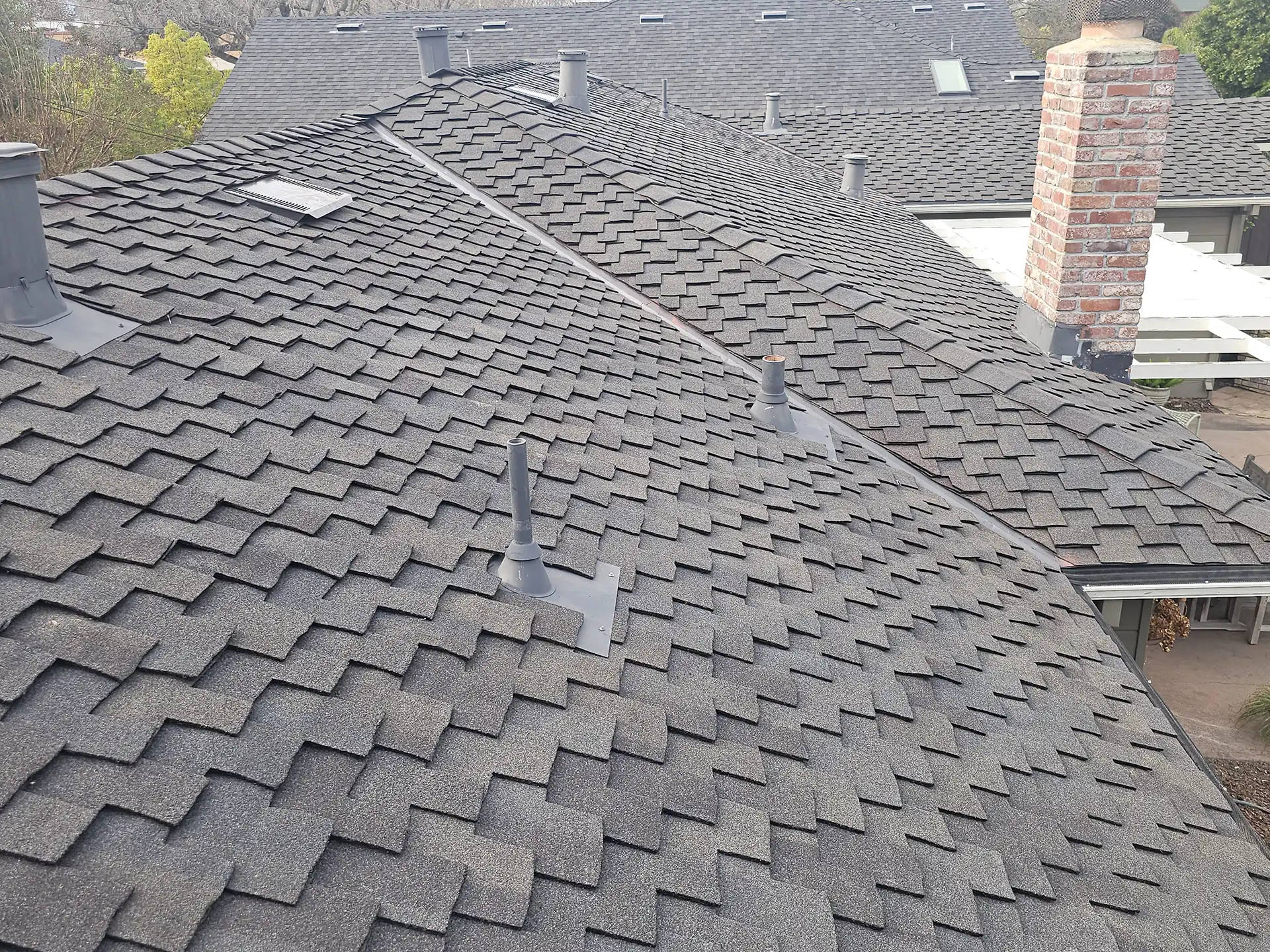
As roofing materials continue aging under constant UV exposure, homeowners may begin noticing cracked shingles, curling edges, fading, brittle surfaces, or deteriorating sealants. These problems often develop slowly, making them difficult to recognize until more visible roofing damage begins appearing.
Different roofing materials react differently to prolonged sun exposure, but nearly every roofing system eventually experiences wear from years of heat and UV radiation.
How Does Sun Damage Affect Residential Roofs?
Roof surfaces regularly reach extremely high temperatures during warm California afternoons. As roofing materials repeatedly heat up during the day and cool down at night, expansion and contraction gradually place stress on the roofing system. Over time, these temperature fluctuations may contribute to:
- cracked roofing materials
- weakened flashing
- shrinking sealants
- loose shingles or tiles
- reduced waterproofing protection
Proper roof ventilation plays a major role in reducing trapped heat and helping roofing systems perform more efficiently.
Why Is Roof Ventilation So Important?
Excess heat buildup may also increase cooling demands inside the home while placing additional strain on HVAC systems during warmer months. Proper ventilation helps:
- reduce attic heat buildup
- improve energy efficiency
- reduce moisture accumulation
- extend roof lifespan
- improve overall roofing performance
- Professional roof inspections often evaluate ventilation performance along with the condition of the roofing materials themselves.
What Are Signs the Sun May Be Damaging a Roof?
- faded or discolored roofing materials
- curling or cracked shingles
- brittle roofing surfaces
- deteriorating sealants or flashing
- increased indoor temperatures
- rising cooling costs
Can Sun Damage Lead to Roof Leaks?
Small leaks may initially go unnoticed while gradually damaging:
- roof decking
- insulation
- attic spaces
- ceilings and walls
Addressing roofing deterioration early helps prevent more expensive structural repairs later.
How Can Homeowners Protect Their Roofs From Sun Damage?
Depending on the age and condition of the roof, maintenance and repair services may involve replacing damaged materials, reinforcing flashing, improving ventilation, sealing vulnerable areas, or addressing developing leak concerns before they worsen.
When roofing systems reach the end of their lifespan, complete roof replacement may provide improved energy efficiency, stronger weather resistance, and better long-term performance.
Why Does Professional Roofing Installation Matter?
Proper installation techniques play a major role in how well roofing systems withstand long-term weather exposure. Quality materials, correct ventilation design, flashing installation, and precision workmanship all contribute to the long-term durability of the roof.
Lico’s Roofing Company provides residential roof inspections, repairs, maintenance, and roof replacement services designed to deliver dependable protection, improved curb appeal, and long-lasting performance for homeowners throughout the Bay Area.
From minor repairs to complete roofing system upgrades, every project is completed with attention to detail, durable materials, and a focus on protecting the long-term value of the home. Contact us today to get started.
